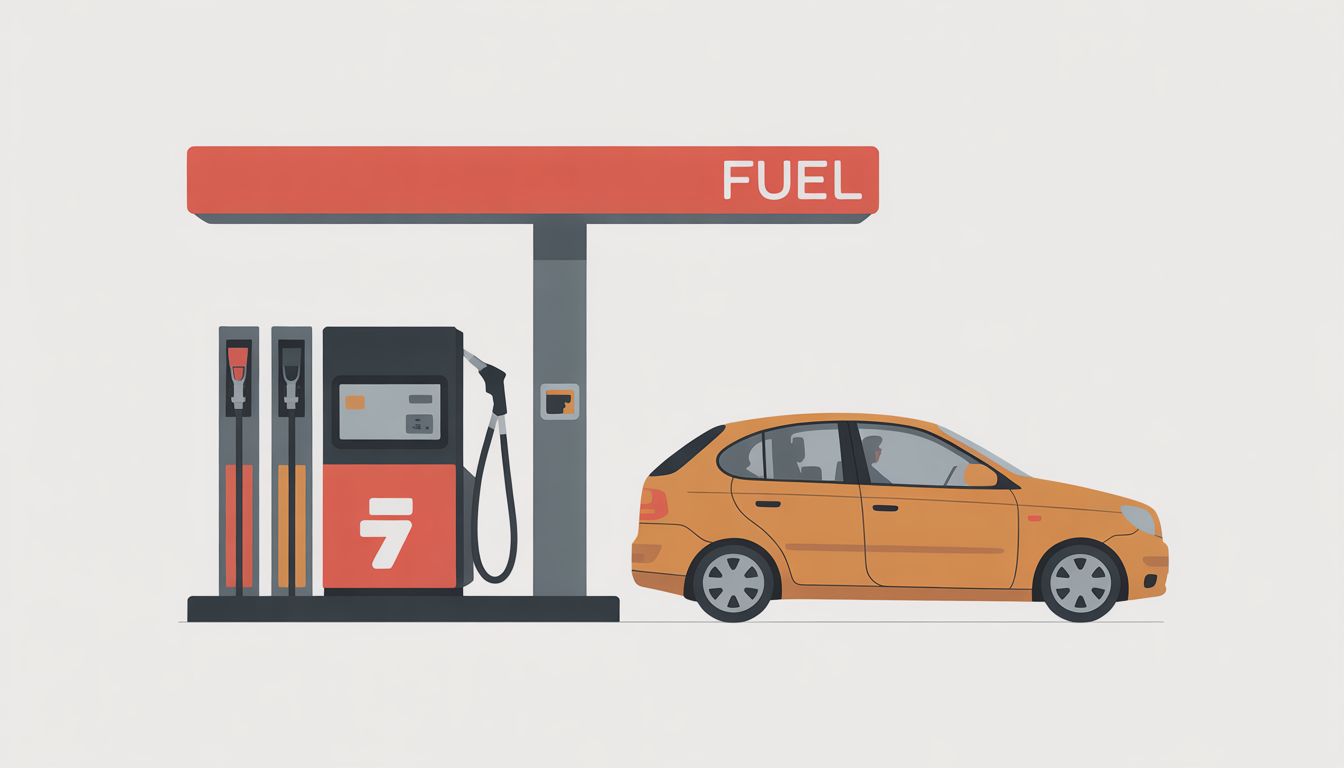

Introduction Retailers Entering Fuel Business
Retailers diving into the fuel scene often see it as a move to draw more customers, build stronger relationships, or find fresh income paths. Still, launching fuel sales isn’t simple – it demands cash upfront, attention to rules, and smart prep. Here’s a look at what matters most when deciding if this path fits your vision and future plans.
Table of Contents
Initial Investment & Startup Costs
Starting a fuel venture? Know the cash needed first – no guesses. Unlike regular store growth, pumping gas demands way more money up front. That’s because tanks, permits, and safety gear don’t come cheap.
The biggest expense? Fuel setup. That means tanks buried or sitting out, pumps, pipes, ways to catch spills, also tools that keep an eye on everything. Just putting it in place might cost anywhere from $200K up past a million – depends how big the spot is, how much fuel they need, plus what rules apply nearby.
Another big cost for stores getting into fuel sales? Getting the site ready plus building it up. Think digging, pouring concrete, putting up a canopy, upgrading wiring – also laying out the pump area well. If a store already owns good land, expenses might drop – but fitting pumps into a working shop often means high bills anyway.
Setting aside money for legal rules is key when planning your first budget. Things like eco-checks, licenses, check-ups on site, or safety stamps? They’re required – though what you need changes from place to place. People tend to guess too low here, yet these expenses might slow things down – or stretch your spending fast.
Retailers moving into fuel sales need to think ahead about buying gear and tech. POS links must work well with inventory tools so things run without hiccups. Payment devices have to sync fast while keeping data safe. Strong safety setups help shoppers feel at ease when filling up.
Lastly, you’ll need cash to buy the first batch of fuel, pay for team training, handle insurance, or manage day-to-day costs until sales pick up. Since profit per gallon tends to be low, keeping a solid buffer helps survive the startup phase.
Fair enough – the startup cost’s steep; still, shops diving into gas sales might balance it out by drawing more customers inside, boosting everyday purchases, or locking in steady earnings if they map things out smart.
Regulatory & Licensing Requirements
When stores start selling fuel, dealing with rules and permits takes up tons of time – often more than expected. Because gas stations involve risks to people’s health, nature, and overall safety, authorities keep tight control. Skipping steps might lead to penalties, work stoppages, or even getting forced out.
The first thing stores need when getting into gas sales is checking local zoning rules. Since some spots aren’t allowed to sell fuel, making sure the area permits it comes before building anything. Sometimes that means going to community meetings or waiting on a city council decision.
After that come environmental checks and approvals. Fuel tanks along with pumps have to follow tough eco-rules so spills don’t pollute underground water. Shop owners usually need to test dirt quality, set up alert tech for leaks, while sticking to green rules from city, regional, or federal watchdogs.
Fuel storage needs proper safety checks – no exceptions. Tanks, whether buried or on surface, require official approval plus routine inspections along with pressure tests. To sell fuel, shops must get fire department clearance while installing emergency cutoffs instead of skipping them. Visible warning signs? Absolutely required.

Fuel sellers need special permits plus tax paperwork to operate legally. They’ve got to get approval for selling gasoline, charging fuel taxes, while meeting report deadlines. Rules along with costs change depending on location – some areas take weeks, others stretch into months.
Staying on top of rules matters just as much. Shops selling fuel need to keep logs, update licenses, while handling regular checks tied to pollution control, fire risks, or customer rights. These tasks ought to fit right into daily workflows and cash plans.
Finding out rules and permits ahead of time helps store owners get into selling fuel without surprises, skip expensive holdups – so they can start pumping gas without hiccups. Retailers Entering Fuel Business
Business Models Available
When shops start selling fuel, picking the best setup shapes profits, how they’re seen, or who runs things. Not every option works the same – each brings different perks along with drawbacks. Retailers Entering Fuel Business
A popular choice? The branded fuel partnership approach. Here, shops offer gas using a familiar local or nationwide name. The provider usually brings brand visibility, promotional help – occasionally gear or set price deals. It lets new sellers gain buyer confidence fast. Still, agreements tend to be strict, leaving little room to adjust prices freely.
A different choice? Try selling store-branded fuel. Instead of big names, shops buy gas from bulk sellers – then push it out with their own label. That way, they tweak prices how they want and keep bigger profits. But here’s the catch – they’ve gotta work harder to win trust since nobody knows the name yet.
Some shop owners go for a franchised fuel setup – fuel sales come along with a bigger package like a convenience store chain. Because this comes with ready-made processes, plus help on training and day-to-day running, it’s often appealing if you’re new to selling gas. Still, having to pay ongoing franchise charges while following tight rules might limit how freely you can run things.
A fresh trend among stores moving into gas sales? The mix-it-up method. It pairs pumps with extras like wash bays, snack spots, or electric charge points. These combos work to boost income per stop by keeping folks around longer while opening more upsell chances.
Selecting the right business model hinges on where you are, how much money’s available, what your brand stands for, or even where you want to go down the line. Folks jumping into the fuel game need to weigh every choice closely – so it fits how they run things now, while leaving room to expand later.Retailers Entering Fuel Business
Supply Chain & Fuel Sourcing Options
Running a store and adding fuel sales means you need steady deliveries just to keep things going without hiccups or losing money. Where you get your fuel from changes how much profit you make, whether pumps stay open, and how often problems pop up. Retailers Entering Fuel Business
A popular move for stores getting into fuel? Buying from name-brand providers. These companies usually lock in steady delivery deals, clear price plans – also help manage transport with regular drop-offs. Though it lowers the chance of shortages, you’re stuck with them even if cheaper options pop up elsewhere. Retailers Entering Fuel Business
A different way involves teaming up with standalone fuel distributors. Instead of locking into one provider, stores can compare prices from various sellers. While this freedom might boost profits, it means keeping close tabs on buying decisions – also calls for knowing how fuel costs shift over time. Retailers Entering Fuel Business
How a deal’s set up really matters. Folks selling fuel might go with steady rates, prices that shift with the market, or a mix of both. Steady rates mean you know what you’ll pay, whereas floating rates can save money when markets dip – though they also carry risk if costs jump.
Getting fuel where it needs to go depends on solid logistics. On-time arrivals, how much can move at once, or what happens if supplies get delayed – all these need close attention. Anyone selling fuel should look into past performance of suppliers, how fast deliveries usually are, plus how they handle unexpected issues. Retailers Entering Fuel Business
Lastly, how much you store affects your buying options. Bigger tanks let new fuel sellers buy in bulk when prices are low, cutting down on delivery runs – though small ones mean working more closely with suppliers.
A solid supply setup helps shop owners getting into fuel keep expenses down, while also cutting day-to-day risks – on top of that, it keeps fuel flowing without breaks for buyers.
Profit Margins & Revenue Potential
When shops start selling fuel, knowing how much cash they can make helps set clear goals. Even though profits per gallon are small, it pulls in more customers – boosting earnings across the whole location.
Fuel profits usually come down to just a few cents per gallon – rarely tied to percent-based gains. Competition out there, how prices shift over time, along with deals from suppliers, shape what those margins look like. Anyone jumping into selling fuel needs to expect swings in profit and shouldn’t count solely on gas sales to stay in the black.
The actual cash potential for stores getting into gas sales? It’s about drawing more people through the door. Because gasoline brings in regulars – folks who stop by again and again – who tend to buy stuff inside. Snacks, hot meals, drinks, or similar markup-heavy goods usually earn bigger profits compared to petrol. Instead of just selling fuel, shops gain from what’s grabbed at checkout.
More sales mean extra cash through volume deals or kickbacks. Some sellers give rewards based on how much fuel you move, store branding choices, or customer sign-ups. When handled right, these perks boost actual profits for shops getting into gas retail.
Pricing choices shape how much money gets made. Low rates might bring more buyers, yet cut into profit per gallon; higher prices could boost earnings per sale but attract fewer drivers. Anyone jumping into the gas biz needs to weigh costs alongside site appeal, nearby rivals, and what shoppers actually do.
Over time, selling gas helps stores earn steady cash while boosting their whole shopping setup. Alongside solid product displays and deals inside the store, shops that add fuel sales may build lasting profits from many sources – even if gasoline itself doesn’t bring much per sale.
Technology & POS Integration
When stores start selling fuel, they need tech that fits right into their setup – so everything runs without hiccups. Instead of separate tools, the gas system should match what’s already in use, keeping things smooth at checkout and behind the scenes. This way, numbers come out correct, service stays quick, while workers aren’t stuck fixing glitches. Retailers Entering Fuel Business
A key thing you need? A POS that works with fuel sales. These systems let pumps turn on, change prices, figure out taxes – also they take payments. When stores start selling gas, most must swap or update their old POS so it talks right to pumps and payment providers. Retailers Entering Fuel Business
Paying for gas needs to be quick but safe. Folks want to swipe or tap right at the nozzle – chip cards, phone pay, that kind of thing work best. Anyone selling fuel’s got to run systems that follow strict safety rules. That way, scams and payment disputes stay low. Retailers Entering Fuel Business
Tech’s key when it comes to handling fuel and reports. Systems that run on their own keep tabs on how much fuel is left, how much gets sold, what arrives, or goes missing – right away. With these gadgets, store owners jumping into the fuel game can watch profits closely, spot mistakes fast, while setting prices based on actual numbers instead of guesses. Retailers Entering Fuel Business
Linking fuel systems with store tech boosts value. A single checkout setup helps gas station owners tie fuel buys to rewards, deals, or shop offers. Because these pieces work together, people spend more and keep coming back. Retailers Entering Fuel Business
Fewer breakdowns mean less waiting, better results, faster service. Shops moving into gas sales need tech that handles growth – pick tools with solid backup and room to expand as you do. Retailers Entering Fuel Business
Operational Complexity
When stores start selling fuel, they need tech that fits right into their current setup – so everything runs without hiccups. Getting the gas system to talk well with old software helps prevent downtime. Smooth connections mean fewer mistakes in records while keeping shoppers happy along the way.

A key thing you’ve got to have? A point-of-sale setup that works with fuel sales. These specialized POS units let customers start pumps, adjust prices on the fly, figure out taxes, also manage payments smoothly. When stores jump into selling gas, they usually find their old register won’t cut it – so swapping it out makes sense to link up with nozzles and payment gateways. Retailers Entering Fuel Business
Folks want quick, safe pay options right at the dispenser – think chip cards, tap-to-pay, or phone wallets. When stores get into selling gas, they’ve gotta use tech that follows safety rules so scams and refunds don’t spike. That means picking setups built to handle modern threats without hiccups. Retailers Entering Fuel Business
Technology’s key for handling fuel and reports. Systems on auto watch tank levels, how much sells, shipments, or if fuel goes missing – right when it happens. Retailers jumping into fuel use these to keep an eye on profits, spot issues fast, while setting prices based on actual numbers instead of guesses. Retailers Entering Fuel Business
Linking fuel systems with shop setups boosts overall worth. A single checkout system helps gas station owners tie fuel buys to rewards, deals, or store savings. Mixing these features leads to bigger spending per visit and keeps customers coming back. Retailers Entering Fuel Business
Stable tech means less breakdowns, fewer errors, while boosting how happy customers are. Shops moving into selling gas must focus on POS plus fuel tools that scale easily – systems with solid backup so they keep up as the business expands.
Branding & Customer Trust
A store starting to sell gas needs a name people remember – this helps folks feel sure about stopping by again. Since fuel involves risk, drivers pick spots they know, particularly where lots of stations are fighting for attention.

A key choice for stores getting into gas sales? Pick a known fuel name or go solo with their own label. Big-name fuels bring trust, wide ads, maybe faster customer pull – though they usually tie you down with rules and lengthy supply deals.
Fuel stations using their own name can set prices and look how they want – yet customers won’t know them right away, so proving good fuel and safe service takes effort. Big signs that are easy to read, steady pricing without surprises, along with a tidy pump area, help people feel confident stopping there. Retailers Entering Fuel Business
Clean stations tend to earn more customer confidence – looks matter. A tidy pump setup, prices shown clearly, good lights at night, or even obvious safety gear can build reliability over time. Those jumping into the fuel game ought to treat the front yard like part of their store vibe, rather than just another place to fill up. Retailers Entering Fuel Business
Loyalty schemes help build stronger brand ties, while also boosting consumer confidence. Linking fuel buys to perks like deals or shop vouchers lets new station owners pull in more return trips – on top of fostering closer bonds with users. Retailers Entering Fuel Business
A solid brand along with reliable service lets stores getting into gas sales stand out, stay competitive, yet grow lasting trust from shoppers.
Risk Factors & Liability Exposure
Once shops begin offering gas, understanding the hazards – alongside reputation impact – is key. Handling fuel sites means higher stakes than typical retail setups. Retailers Entering Fuel Business
A major risk at gas stations? Damage to the environment. Spills or broken storage units can pollute soil and streams – cleanup costs rise quickly, while penalties might come too. Keep an eye on containers every so often; routine inspections, along with following area laws, cut down dangers. Retailers Entering Fuel Business
Safety risks are serious stuff. Since fuel catches fire quick, mishaps – like flames or damaged equipment, often from sloppy handling – can trash structures or injure folks. Shops dealing in fuel must have real safety training, emergency shutoffs, gear that kills fires fast, yet warnings that spell out dangers plain. Retailers Entering Fuel Business
Retailers diving into fuel sales deal with cash highs and lows. When prices fall fast – because they change daily – it can slash earnings or create losses on inventory. Sharp pricing choices, paired with strong supplier terms, help smooth things out.
Risk gets tricky without clear rules – so insurance steps in. Shops that sell fuel often need special plans, say spill cover or cleanup costs, maybe even crash-related claims. Missing these shields? That’s how businesses hit financial trouble. Retailers Entering Fuel Business
Finding issues quickly – followed by strong daily checks – keeps shops that sell fuel out of hot water while keeping things running smooth, avoiding fines, and building steady profits over time. Retailers Entering Fuel Business
Speed to Market
Once shops begin offering gas, understanding the hazards – alongside reputation impact – is key. Handling fuel sites means higher stakes than typical retail setups. Retailers Entering Fuel Business

A major risk at gas stations? Damage to the environment. Spills or broken storage units can pollute soil and streams – cleanup costs rise quickly, while penalties might come too. Keep an eye on containers every so often; routine inspections, along with following area laws, cut down dangers.
Safety risks are serious stuff. Since fuel catches fire quick, mishaps – like flames or damaged equipment, often from sloppy handling – can trash structures or injure folks. Shops dealing in fuel must have real safety training, emergency shutoffs, gear that kills fires fast, yet warnings that spell out dangers plain. Retailers Entering Fuel Business
Retailers diving into fuel sales deal with cash highs and lows. When prices fall fast – because they change daily – it can slash earnings or create losses on inventory. Sharp pricing choices, paired with strong supplier terms, help smooth things out.
Risk gets tricky without clear rules – so insurance steps in. Shops that sell fuel often need special plans, say spill cover or cleanup costs, maybe even crash-related claims. Missing these shields? That’s how businesses hit financial trouble.
Finding issues quickly – followed by strong daily checks – keeps shops that sell fuel out of hot water while keeping things running smooth, avoiding fines, and building steady profits over time. Retailers Entering Fuel Business
Scalability & Expansion Potential
When stores start selling fuel, they’ve got to think about how easily things can grow down the line. Running one spot smoothly is good, yet it’s just as crucial that adding more locations stays manageable – without blowing up expenses or turning into a headache.
A big part of scaling smoothly? Keeping things uniform. When stores start selling fuel, they gain by sticking to the same gear, store setups, and daily routines at every spot. Because everything’s alike, teaching workers takes less time, upkeep gets simpler, also expanding to fresh spots feels more doable. Retailers Entering Fuel Business
Supplier terms can shape how fast you grow. When stores move into fuel sales, they need to check if deals let them add more sites – or get discounts when buying more. Contracts that bend a bit help keep growth steady while managing costs.
Technology helps businesses grow easier. Because they use one system, gas station owners can check sales, stock levels, and prices at different spots without visiting each place. When everything’s linked, making choices gets quicker as more sites open up. Retailers Entering Fuel Business
Picking the right spot matters too. When stores start selling gas, they’ve got to check if their setup fits various areas, road flows, or local rivals. Being able to grow means tweaking things without losing what makes them recognizable.
Fuel businesses that plan ahead can expand smoothly, face fewer hiccups later on – while building stronger profits over time.
Environmental & Sustainability Considerations
Folks jumping into the fuel game can’t skip eco-smart choices anymore. Rules tighten, neighbors watch closely – both push greener moves. Staying open down the road? That ties back to how well you care for nature today.
A big issue? Storing fuel safely while protecting nature. Anyone selling fuel’s gotta install certified tanks – on top of that, they need sensors for leaks and gear to catch spills, keeping dirt and water clean. Check things often, fix what’s broken; otherwise rules get violated and harm grows likely. Retailers Entering Fuel Business
Emissions rules shape how fuel is handled at stations. Because of air quality laws, vapor capture tech becomes necessary. These setups grab fumes when pumping gas. So do updated nozzles that follow clean air codes. Anyone starting a fuel-selling operation needs gear up to code. Otherwise, fines might hit or pumps could shut down. Staying legal keeps sales running without hiccups. Retailers Entering Fuel Business
Sustainability plans now often feature renewable energy choices. Since more stores are jumping into the fuel scene, they’re staying ahead by offering electric car chargers, plant-based fuels, or mix blends. That way, locations stay relevant longer while drawing in eco-aware shoppers.
Energy savings matter a lot. Using LED lights along with eco-friendly covers slashes bills while helping nature. Stores moving into gas sales might boost green efforts yet keep things running strong. Retailers Entering Fuel Business
Adding eco-friendly practices to their fuel plans helps new sellers lower risks while also staying ahead of rules – giving them better odds at lasting growth as energy shifts over time.
Competitive Landscape
When shops start selling fuel, they’ve got to know who’s already out there – so their pumps can actually get noticed. These markets? Usually packed with rivals, clear price signs everywhere, plus folks sticking tight to local spots.

One big challenge for stores selling fuel? Already existing gas stations. They’ve got loyal customers who come back again and again. Their prices are usually fine-tuned over time. Plus, they work closely with reliable suppliers. To stand out, new players need a real edge – like better rates, easier access, or extra perks.
Big-box stores plus grocery chains shape how tough the market is. Lots rely on gas sales to pull people in, not to make big money, often cutting prices especially for loyal customers. Anyone jumping into the fuel game needs to think hard about these low rates before deciding their move. Retailers Entering Fuel Business
Where a station sits really matters. Places close to busy roads, key crossroads, or shopping hubs usually get steady customers. Anyone jumping into the gas game needs to study how people move through an area. Look at how visible the spot is. Check if drivers can pull in easily. These things shape how well you’ll stack up against others. Retailers Entering Fuel Business
Besides cost, how customers feel matters a lot. Neat spaces, quick support, working gear, or solid shop options let gas station newcomers shine where others blend in.
A solid grasp of who’s competing helps new fuel sellers price smart, spot ways to stand out, or carve out lasting space in the market. Retailers Entering Fuel Business
Customer Experience Impact
Shoppers picking a gas station care how they’re treated – it shapes whether they’ll come back, what they think of the name, or even how much money the place makes. Gas might be just gas, yet the way things feel around it decides where drivers pull over.
Getting there should be hassle-free. Stores jumping into gas sales need good road access, signs that make sense, obvious ways in and out – also keep lines short by the pumps. If drivers get stuck or lost on-site, they’ll go elsewhere next time.
Quick service keeps people happy. When pumps work nonstop, payments go smooth, yet prices stay out in the open. Stores jumping into gas sales do better when gear’s solid but fixes come fast. This builds faith while cutting down annoyance.
The link between gas sales and what happens inside the store really matters. Spotless bathrooms, full racks, good snacks, or helpful workers make drivers more likely to walk in post-refuel. When shops add fuel pumps, they gain – since pumping gas pulls people toward pricier buys indoors. Retailers Entering Fuel Business
Online interaction makes things more fun. So loyalty rewards, phone-based paying, or special deals linked to gas buying let stores that start selling fuel create steady bonds with customers while boosting how often people stop by.
A good, steady experience keeps customers coming back instead of looking elsewhere. Shops jumping into selling gas do better when they focus on ease, trust, stay connected to what they already sell. Retailers Entering Fuel Business
Long-Term Strategic Fit for Retailers
When stores start selling gas, they need to check if it lines up with their future plans – so pumping fuel doesn’t pull focus but adds value instead. Gas sales ought to go hand-in-hand with regular shop items, boosting the brand’s full picture without muddling it.
A big thing to think about? How well fuel fits what the store stands for. Those jumping into gas sales need to check if it adds ease, boosts how often people shop there, or matches who they’re trying to reach. If filling up makes sense to shoppers already stopping by, then pumps just flow with the way things work. Retailers Entering Fuel Business
Fuel might help draw more people through the door while building repeat visits. Stores jumping into the gas game usually rely on it to bring folks back again, which lifts shop spending too. Pairing fuel deals with rewards or discounts helps hold onto customers over time.
A different lasting issue? Staying ready for shifts in energy use. Stores moving into gas sales need to think ahead – could locations handle electric car chargers instead? What about new fuel types, or rule changes down the road? Building systems that adjust easily keeps money safe over time. Retailers Entering Fuel Business
Running things smoothly counts too. When stores move into selling gas, they need to check if they’ve got what it takes – skills, tools, or reliable setups – to keep it going year after year. Teaming up with solid allies along with flexible tech helps stay on track down the road.
Once fuel ops match the game plan, what customers want, or where things are headed, shops jumping into the gas scene can build staying power while setting up steady gains down the road. Retailers Entering Fuel Business
Conclusion
For shops getting into gas sales, selling fuel isn’t just about extra cash – it’s a move that changes how they run, how customers see them, yet brings risks along with future chances. Even though making money per gallon might be small, the boost in foot traffic, repeat visits, or store spending can really add up – if everything’s set up right. Retailers Entering Fuel Business
Success comes from seeing everything – initial costs, rules to follow, whether supplies stay steady, tech that works together, standing out from rivals, besides how shoppers feel. Those selling fuel need to think about growing easily, caring for the planet, along with where fuel fits as energy changes over time. Retailers Entering Fuel Business
Fuel ops can boost steady traffic plus growth – when tied to solid goals, backed by strong teams and tools. Shops jumping into fuel do better when they plan smart, act fast, yet stay sharp for the long run. Retailers Entering Fuel Business

