



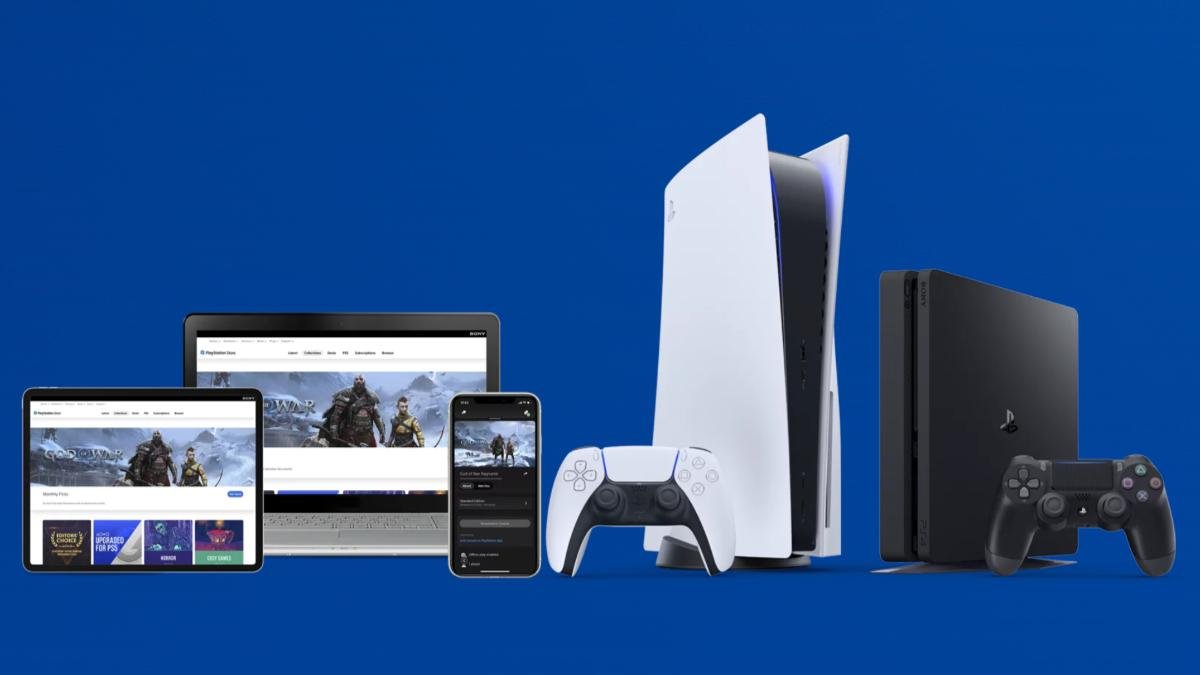
The Sony PlayStation platform business is one of the most successful and influential business models in the global gaming industry. Since the launch of the original PlayStation in 1994, Sony has transformed its gaming division into a multi-billion-dollar ecosystem that includes consoles, digital stores, subscription services, cloud gaming, and exclusive entertainment content.
Today, PlayStation is not just a gaming console — it is a complete digital platform connecting millions of players worldwide. Sony’s ability to combine hardware innovation, software exclusives, and recurring digital revenue has made PlayStation a dominant force in the entertainment industry.

What Is the Sony PlayStation Platform Business?
The Sony PlayStation platform business refers to the entire ecosystem built around PlayStation products and services. Instead of earning money only from selling consoles, Sony generates revenue from multiple interconnected sources.
Key components of the PlayStation platform
- PlayStation consoles (PS4, PS5, and future hardware)
- PlayStation Store for digital game sales
- PlayStation Network (PSN) for online connectivity
- PlayStation Plus subscription service
- Exclusive first-party games developed by Sony studios
- Cloud gaming and streaming services
- Digital media and entertainment offerings
By building an ecosystem where users buy games, subscribe to services, and stay connected online, Sony creates long-term customer value and recurring revenue.
The Evolution of PlayStation: From Console to Ecosystem
PlayStation 1: The Beginning (1994)
Sony entered the gaming market with the original PlayStation and quickly disrupted competitors with advanced 3D graphics and a strong game library. The console sold over 100 million units worldwide, proving Sony could compete with established gaming giants.
PlayStation 2: Global Domination
The PlayStation 2 became the best-selling console in history, with more than 155 million units sold. Its success established Sony as the leader in the gaming industry and expanded the PlayStation brand globally.
PlayStation 3 and PlayStation 4: The Digital Shift
These generations introduced online gaming, digital downloads, and multimedia features. Sony began shifting from a hardware-focused business to a digital platform model, where services and online engagement became increasingly important.
PlayStation 5: The Modern Platform Strategy
The PlayStation 5 represents Sony’s current vision: a high-performance console connected to a broader digital ecosystem. Fast SSD technology, immersive gaming, and deep integration with PlayStation Network and PlayStation Plus have strengthened Sony’s competitive position.

How Sony PlayStation Makes Money
Sony’s gaming business generates revenue through several major streams. This diversified model is one reason the PlayStation platform remains highly profitable.
1. Console Hardware Sales
Selling PlayStation consoles is the foundation of the ecosystem. Each new console generation attracts millions of customers and expands the user base for digital services.
Why hardware sales matter
- Creates a large installed user base
- Drives demand for games and accessories
- Locks users into the PlayStation ecosystem
- Supports long-term digital revenue growth
While hardware margins can be lower initially, consoles act as gateways to more profitable services.
2. Digital Game Sales via PlayStation Store
The PlayStation Store allows users to purchase games digitally. This has become a major revenue driver because digital sales offer higher profit margins than physical discs.
Benefits of digital sales
- No manufacturing or shipping costs
- Instant global distribution
- Frequent promotions and discounts
- Ongoing sales of older titles
Digital downloads now account for a significant portion of PlayStation game sales worldwide.
3. PlayStation Plus Subscription Service
PlayStation Plus is one of Sony’s most important recurring revenue sources. Subscribers pay monthly or yearly fees for access to online multiplayer gaming and additional benefits.
PlayStation Plus features include
- Online multiplayer access
- Monthly free games
- Cloud save storage
- Exclusive discounts
- Game catalog access in higher tiers
Subscription revenue provides Sony with stable, predictable income and increases customer retention.
4. Exclusive First-Party Games
Sony invests heavily in its own game studios, including Naughty Dog, Santa Monica Studio, and Insomniac Games. Exclusive titles are a core part of the Sony PlayStation platform business strategy.
Popular PlayStation exclusives
- God of War
- Spider-Man
- Horizon
- The Last of Us
- Gran Turismo
These games attract players to the PlayStation platform and help Sony differentiate itself from competitors like Xbox and Nintendo.
5. Cloud Gaming and Streaming
Sony is expanding into cloud gaming through PlayStation streaming services. While still developing compared to traditional console gaming, cloud gaming represents a major future growth opportunity.
Potential advantages of cloud gaming
- Play games without expensive hardware
- Access games on multiple devices
- Expand PlayStation’s audience globally
- Increase recurring subscription revenue

Why Sony’s Platform Strategy Works
Sony’s success comes from building a closed but highly valuable ecosystem. Once users buy a PlayStation console, they are likely to purchase games, subscribe to services, and stay connected through PSN.
1. Strong Exclusive Content
Exclusive games create emotional attachment and brand loyalty. Many gamers choose PlayStation specifically for titles like Spider-Man or God of War.
2. Recurring Revenue Model
Subscription services such as PlayStation Plus provide steady income beyond one-time console purchases. This makes Sony’s gaming business more resilient and profitable.
3. Large Global Community
PlayStation Network connects tens of millions of players worldwide, creating a strong social ecosystem that keeps users engaged.
4. Digital Transformation
Sony has successfully shifted toward digital distribution and online services, aligning with modern consumer behavior and reducing reliance on physical retail sales.
PlayStation Network (PSN): The Backbone of the Business
The PlayStation Network is central to Sony’s platform strategy. It connects players, enables digital purchases, and powers online gaming.
Key PSN features
- Online multiplayer gaming
- Digital game purchases
- Friends and messaging system
- Cloud saves and account management
- Trophies and social features
- Integration with PlayStation Plus
PSN increases user engagement and makes switching to competing platforms less attractive for existing PlayStation users.
Competition in the Gaming Industry
Sony operates in a highly competitive market. Its main rivals include Microsoft Xbox, Nintendo, and the broader PC gaming industry.
Microsoft Xbox
Xbox competes aggressively through Xbox Game Pass, cloud gaming, and cross-platform integration. Microsoft’s strategy focuses on subscription gaming and ecosystem expansion across PC and console.
Nintendo
Nintendo differentiates itself with family-friendly gaming, innovative hardware, and iconic franchises like Mario and Zelda.
PC Gaming
PC gaming continues to grow through platforms like Steam and Epic Games Store. High-performance hardware, esports, and modding communities make PC a strong competitor to consoles.
Despite this competition, PlayStation maintains a strong market position due to its exclusive content, brand loyalty, and integrated ecosystem.
The Economic Impact of PlayStation
The Sony PlayStation platform business has a significant impact on the global economy and entertainment industry.
Areas of impact
- Game development jobs: Thousands of developers, artists, and engineers work on PlayStation titles.
- Digital commerce: The PlayStation Store generates billions in online transactions.
- Esports and streaming: PlayStation games contribute to the growth of competitive gaming and content creation.
- Technology innovation: Advances in graphics, SSDs, VR, and cloud gaming influence the broader tech industry.
Sony’s gaming division is now one of the company’s most important business segments, often contributing a major share of overall profits.

The Future of Sony PlayStation Platform Business
Sony’s future strategy focuses on expanding beyond traditional console gaming. Several major trends will shape the next phase of the PlayStation business.
1. Cloud Gaming Expansion
As internet speeds improve globally, cloud gaming could allow players to stream PlayStation games without owning expensive hardware. This would expand Sony’s reach into new markets.
2. Artificial Intelligence in Gaming
AI is expected to improve game development, NPC behavior, personalization, and player experiences. Sony is likely to integrate AI tools into both development and gameplay systems.
3. Virtual Reality Growth
PlayStation VR continues to evolve, offering immersive gaming experiences that could become a larger part of Sony’s ecosystem.
4. Live-Service Games
Sony is investing in games designed for long-term engagement, where players continue spending on content, expansions, and in-game purchases over time.
5. Mobile and Cross-Platform Integration
Expanding PlayStation experiences to mobile devices and other platforms could help Sony reach a broader global audience while maintaining its core ecosystem.
Key Takeaways
- Sony PlayStation platform business is a complete gaming ecosystem, not just a console business.
- Revenue comes from hardware, digital games, subscriptions, exclusive titles, and online services.
- PlayStation Plus and PlayStation Network are critical to Sony’s recurring revenue model.
- Exclusive games remain PlayStation’s biggest competitive advantage.
- Future growth will likely come from cloud gaming, AI, VR, and expanded digital services.

Conclusion
The Sony PlayStation platform business is one of the most successful examples of a modern digital ecosystem. By combining powerful hardware, world-class exclusive games, online services, and subscription revenue, Sony has built a gaming empire that reaches millions of players worldwide.
As the gaming industry continues to evolve toward cloud gaming, AI-driven experiences, and digital subscriptions, PlayStation is well-positioned to remain a leader in the global entertainment market. Sony’s ability to adapt while maintaining strong exclusive content and brand loyalty will likely determine the next chapter of PlayStation’s success.
FAQ
What is the Sony PlayStation platform business?
It is Sony’s gaming ecosystem that includes PlayStation consoles, digital stores, online services, subscriptions, and exclusive games.
How does PlayStation make money?
Sony earns revenue through console sales, digital game purchases, PlayStation Plus subscriptions, online services, and exclusive game franchises.
Why are PlayStation exclusive games important?
Exclusive titles attract gamers to the PlayStation ecosystem and help Sony compete against Xbox, Nintendo, and PC gaming platforms.
What is PlayStation Plus?
PlayStation Plus is a subscription service that provides online multiplayer access, monthly games, cloud storage, discounts, and access to a game catalog.
What is the future of PlayStation?
The future of PlayStation is expected to focus on cloud gaming, artificial intelligence, virtual reality, live-service games, and expanded digital ecosystems.